
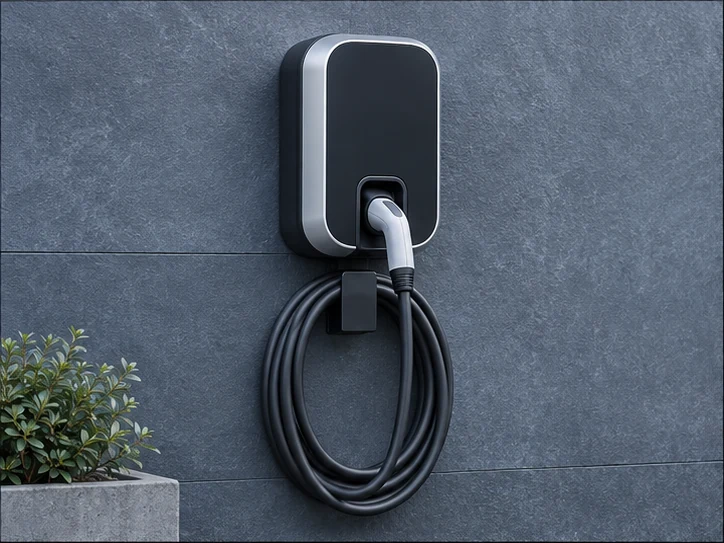
AC Charging
Wall-mounted and pedestal AC charging for homes, workplaces and longer-stay parking.
PRODUCT PORTFOLIO / CORE EQUIPMENT
Charging infrastructure for commercial sites and project procurement.
EQUIPMENT FAMILIES
Start with the charging use case and vehicle dwell time, then compare the relevant equipment and grid interface.
Wall-mounted and pedestal AC charging for homes, workplaces and longer-stay parking.
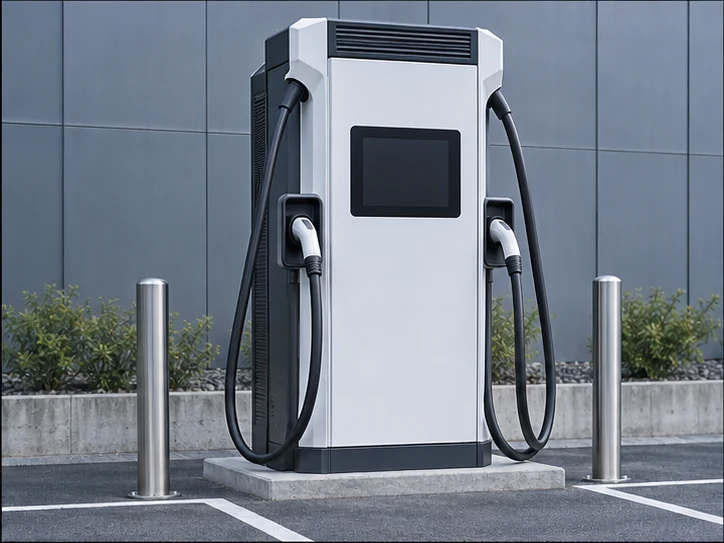
DC charging equipment for public sites, depots and fleet charging projects.
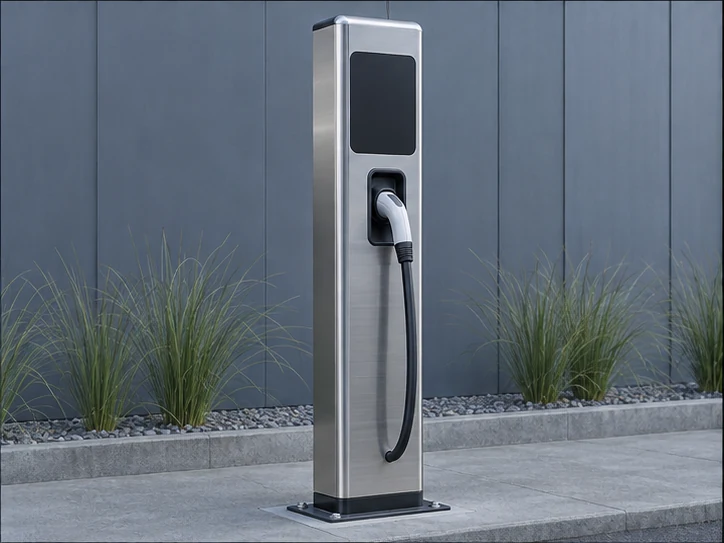
Bidirectional charging configurations for compatible vehicles and grid-interactive projects.
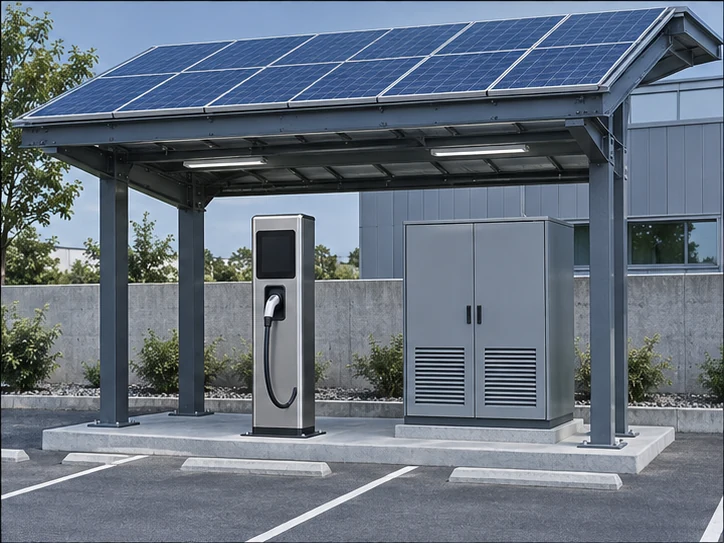
Integrated charging with PV and battery storage, sized to site demand.
TECHNICAL REFERENCE
Published examples for equipment comparison. Confirm the exact model, market variant and availability when requesting a quote.
Scroll to compare all parameters.
| Reference equipment | Published output | Interface and parameters | Project fit |
|---|---|---|---|
| Wallbox Pulsar Plus · EU datasheetSource | 7.4 / 11 / 22 kW AC | 230 V single-phase for 7.4 kW; 400 V three-phase for 11/22 kW. Type 2 on the three-phase variants. | Homes, workplaces and long-stay parking. |
| Alpitronic Hypercharger HYC 400 · USSource | 100–400 kW configurable DC | Up to three simultaneous vehicles in the published US configuration. Connector options include CCS1, NACS and CHAdeMO. | Public fast charging and fleet depots. |
| Wallbox Quasar 2 · North AmericaSource | 12 kW DC charging at 40 °C | CCS1, 200–920 V DC. Published max DC input for discharging is 12.8 kW at 40 °C. | Bidirectional projects with a supported vehicle and approved system configuration. |
| PV + battery-buffered chargingSource | Project-sized | Specify charger count, concurrent load, grid import limit, PV capacity, usable battery energy and PCS power. | Carports and fleet sites that need coordinated charging, PV and storage. |
PROJECT SELECTION
Share the site location, connector type, vehicle mix, available grid power and expected concurrent charging load.
Estimate the maximum number of vehicles charging together and the output needed at each connector. Check how the charger shares available power.
Specify regional connectors, supported vehicles and any required charging-management backend and protocol version.
Check vehicle and grid approval for bidirectional operation. Size PV and batteries against time-of-day demand and the site’s grid import limit.
RELATED EQUIPMENT & APPLICATIONS
PROJECT PROCUREMENT
Share the site location, connector type, vehicle mix, available grid power and expected concurrent charging load.